Source Haccp Certified Pullulan for Food and Pharma
Find 30 haccp certified pullulan options for meat, baked goods, and capsule shells. Compare white powder thickener specs, food grade standards, and packaging details from verified suppliers to select the right natural polysaccharide for your application; compare the available evidence and request quotations based on your requirements.
Key considerations
Products List




Comprehensive Sourcing Guide
Haccp Certified Pullulan Sourcing Guide
Procuring Haccp Certified Pullulan requires a strategic approach to identifying suppliers who can consistently deliver high-purity polysaccharides for sensitive food and pharmaceutical applications. Pullulan, a water-soluble polysaccharide fermented from Aureobasidium pullulans, serves as a versatile natural thickener and coating agent. Buyers must prioritize suppliers who explicitly state their adherence to Hazard Analysis and Critical Control Points (HACCP) standards, as this certification ensures rigorous monitoring of production processes to prevent food safety hazards. The material’s non-toxic and non-mutagenic properties make it ideal for encapsulation and tablet formulation, but these benefits are only realized when the supply chain maintains strict hygiene and traceability protocols from raw material sourcing to final packaging.
The sourcing landscape for pullulan is characterized by a wide range of product grades, including food, pharmaceutical, and cosmetic standards. Buyers should verify that the supplier’s documentation aligns with the specific regulatory requirements of their target market, such as FDA or BRC certifications, in addition to HACCP. Since pullulan is derived from sucrose and exhibits excellent heat stability and viscosity, it is frequently used in meat products, baked goods, and jelly formulations. However, the material’s sensitivity to moisture necessitates careful evaluation of packaging integrity and storage recommendations. Sourcing guides must emphasize the importance of selecting partners who provide clear evidence of their quality management systems, ensuring that the final product meets the stringent purity and safety expectations of modern industrial buyers.
Product Scope and Observed Listing Signals
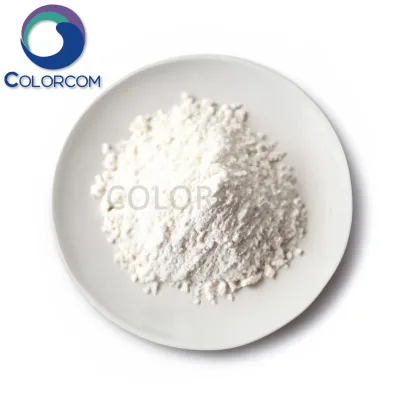
Market listings for pullulan typically highlight its physical appearance as a white to off-white powder, which is a key visual indicator of purity and proper processing. Buyers should observe that the material is often described as a natural thickener with an assay of ninety-five percent minimum or more than ninety percent, depending on the grade. The observed product scope includes various applications such as capsule shells, refreshing tablets, and coating agents for baked goods and flour products. It is crucial to note that while many suppliers claim customization options, the core product remains a fermented polysaccharide with an average molecular weight of two hundred thousand Daltons. This consistency in basic chemical structure allows for reliable performance in diverse industrial applications, provided the supplier maintains strict control over the fermentation and drying processes.
The packaging and storage signals observed in listings provide critical insights into the supplier’s attention to detail and product stability. Most suppliers offer packaging in twenty-five-kilogram drums or bags, which is standard for bulk industrial procurement. However, the material’s tendency to easily absorb moisture means that buyers must verify the integrity of these packaging solutions. Some listings indicate a shelf life of twelve months or more, but storage conditions are paramount; optimal storage is often recommended between two and eight degrees Celsius to maintain stability. Buyers should also look for indications of sample availability, as testing the viscosity, which ranges from eighteen to one hundred eighty, is essential for verifying suitability for specific formulations. These observed signals help buyers assess the reliability and professionalism of potential suppliers before initiating deeper due diligence.
Technical Specifications to Verify
Verifying the technical specifications of pullulan is essential to ensure it meets the functional requirements of your specific application. The melting point of pullulan is typically above two hundred forty-eight degrees Celsius with decomposition, indicating its thermal stability during processing. Buyers should confirm the viscosity range, which can vary from eighteen to one hundred eighty, to ensure it aligns with the desired texture and consistency in final products like jelly or ice cream. Additionally, the material’s solubility is a critical factor; pullulan dissolves readily in both hot and cold water, making it highly versatile. However, its hygroscopic nature requires careful handling, so buyers must verify that the supplier provides data on moisture content and ensures that the product remains non-hygroscopic during transit and storage to prevent clumping or degradation.
Another vital technical aspect is the assay percentage, which indicates the purity of the polysaccharide. Suppliers often list an assay of ninety-five percent minimum, but buyers should request detailed analytical reports to confirm this value. The raw material, sucrose, is fermented by Aureobasidium pullulans, a process that must be tightly controlled to avoid contaminants. Buyers should also verify the HS code, typically 29400090, for accurate customs classification and tariff assessment. Furthermore, the product’s stability to heating and its good viscosity retention are key performance indicators. Ensuring that the supplier can provide batch-specific test results for these parameters will help mitigate risks associated with product variability and ensure consistent performance in applications ranging from pharmaceutical capsules to food coatings.
Compliance and Safety Documentation
Compliance with international safety standards is non-negotiable when sourcing Haccp Certified Pullulan. Buyers must verify that the supplier holds valid HACCP certification, which demonstrates a systematic approach to identifying and controlling food safety hazards. In addition to HACCP, many reputable suppliers also possess FDA, ISO, and BRC certifications, which further validate their commitment to quality and safety. These certifications are particularly important for buyers operating in regulated markets where adherence to strict regulatory frameworks is mandatory. The documentation should clearly outline the scope of these certifications, ensuring they cover the entire production process from raw material intake to finished product dispatch. Buyers should request copies of these certificates and verify their validity through the respective issuing bodies to avoid any compliance risks.
Beyond certifications, buyers should scrutinize the supplier’s quality management documentation, including certificates of analysis and material safety data sheets. The pullulan product is often labeled as food grade, pharmaceutical grade, or cosmetic grade, and the documentation must reflect the specific grade being supplied. For pharmaceutical applications, additional documentation regarding non-mutagenic and non-toxic properties is essential. Buyers should also check for any specific test results related to heavy metals, microbial counts, and residual solvents, although these specific values should be confirmed with the supplier. Ensuring that the supplier provides comprehensive and transparent documentation not only facilitates smoother customs clearance but also builds trust and confidence in the long-term reliability of the supply chain.
Cost Drivers and Commercial Terms
The cost of pullulan is influenced by several factors, including the grade, purity, and volume of the order. Observed price ranges in the market can vary significantly, from as low as zero point three dollars to one hundred dollars per unit, depending on the specific product specifications and supplier. Buyers should be aware that higher purity grades, such as pharmaceutical grade, typically command a premium price due to the stringent quality control measures required. The minimum order quantity (MOQ) is another critical commercial term, with observed ranges from one to one thousand units. Smaller MOQs may be available for sampling or trial orders, but larger volumes often result in more favorable pricing. Buyers should negotiate terms that balance cost efficiency with the flexibility to adjust order sizes based on production needs.
Packaging and shipping costs also play a significant role in the total cost of ownership. Pullulan is typically packaged in twenty-five-kilogram drums or bags, and the choice of packaging material, such as paper, can impact both cost and sustainability. Buyers should consider the logistics of storage and handling, given the material’s sensitivity to moisture. Some suppliers offer free samples, which can be a valuable tool for evaluating product quality before committing to a larger purchase. Additionally, customization options may incur additional costs, so buyers should clearly define their requirements upfront to avoid unexpected charges. Understanding these cost drivers and commercial terms allows buyers to make informed decisions and optimize their procurement strategy for maximum value.
Supplier Qualification and Quality Control
Qualifying a pullulan supplier involves a thorough assessment of their manufacturing capabilities and quality control systems. Buyers should verify that the supplier has a robust quality management system in place, supported by relevant certifications such as ISO and HACCP. It is essential to conduct on-site audits or request detailed reports on their production processes, including fermentation, purification, and drying stages. The supplier’s ability to maintain consistent product quality across batches is critical, so buyers should inquire about their batch-to-batch testing protocols. Additionally, the supplier’s track record in the industry and their reputation for delivering high-quality products should be evaluated. Engaging with suppliers who have a proven history of compliance and quality assurance reduces the risk of supply chain disruptions and product failures.
Quality control extends beyond the manufacturing process to include packaging and storage practices. Buyers should ensure that the supplier uses appropriate packaging materials, such as moisture-resistant drums or bags, to protect the pullulan from environmental factors. The supplier should also provide clear instructions for storage, typically recommending temperatures between two and eight degrees Celsius to maintain stability. Buyers should verify that the supplier conducts regular internal audits and stays updated with the latest industry standards and regulations. Furthermore, the availability of technical support and responsive customer service is an important factor in supplier qualification. A qualified supplier should be able to provide timely assistance and address any concerns or issues that may arise during the procurement process, ensuring a smooth and reliable partnership.
Long-Term Procurement Checks
Establishing long-term procurement checks is vital for maintaining a stable and reliable supply of Haccp Certified Pullulan. Buyers should implement regular performance reviews to assess the supplier’s adherence to agreed-upon quality standards and delivery schedules. These reviews should include an analysis of any deviations or non-conformities and require corrective actions from the supplier. Continuous monitoring of the supplier’s certification status is also essential, as certifications can lapse or be revoked if standards are not maintained. Buyers should also stay informed about changes in regulatory requirements that may impact the use of pullulan in their products. By proactively managing these long-term checks, buyers can mitigate risks and ensure that their supply chain remains resilient and compliant over time.
Building a strong relationship with the supplier is another key aspect of long-term procurement success. Buyers should engage in open and transparent communication, sharing feedback and expectations clearly. Collaborative efforts to improve product quality and efficiency can lead to mutual benefits and a more sustainable partnership. Buyers should also consider diversifying their supplier base to reduce dependency on a single source, although maintaining a primary supplier with a proven track record is advisable. Regularly reviewing and updating procurement strategies based on market trends and technological advancements will help buyers stay competitive. By focusing on long-term relationship building and continuous improvement, buyers can secure a reliable supply of high-quality pullulan that meets their evolving business needs.
FAQs
What certifications does the pullulan powder hold?
The pullulan powder holds HACCP, FDA, ISO, and BRC certifications. These credentials confirm compliance with international food safety and quality management standards. This ensures the product is suitable for use in sensitive applications such as capsule shells, refreshing tablets, and various food processing lines requiring verified safety protocols.
What is the minimum order quantity for this product?
The minimum order quantity is 10kg. While the general observed MOQ range spans from 1 to 1000 units, the specific listing indicates a 10kg starting point. Buyers can request free samples to evaluate quality before committing to larger bulk orders for their manufacturing or packaging needs.
How should the pullulan powder be stored?
Store the powder in a normal environment, though some specifications suggest 2-8 C for optimal preservation. The material is easily absorbing moisture, so keeping it dry is critical. The shelf life exceeds 12 months when stored correctly, ensuring stability for long-term inventory management in food or pharmaceutical settings.
What are the primary applications of this thickener?
This thickener is applied in meat, flour products, jelly, ice cream, and baked goods. It also serves as a coating agent and is used in capsule shells and refreshing tablets. Its versatility makes it a valuable natural thickener for diverse industries including pharmaceutical, food, and chemical sectors.
What is the physical appearance and grade of the powder?
The powder appears as white to off-white and is classified as food grade. It is a water-soluble polysaccharide with an assay of at least 90% or 95% minimum. The product is non-toxic, non-mutagenic, and dissolves readily in hot or cold water, offering good viscosity and heat stability.
Can the packaging be customized for bulk orders?
Yes, customization is available for bulk orders. The standard packaging is 25kg per drum or bag, but suppliers offer flexible options. Buyers can request specific packing configurations to suit their logistics. This flexibility supports efficient handling and storage for large-scale industrial applications in food and pharmaceutical manufacturing.